
- A new roster spending industry survey puts six Power Four rosters above $40 million for 2026: Miami, Ohio State, Oregon, LSU, Texas and Texas A&M.
- LSU is +2200 and Texas A&M +2500 at Bovada, prices that imply roughly 4% apiece despite top-tier payrolls.
- Georgia sits below the $40 million line yet is +900 at Bovada, an implied 10%.
- Defending champion Indiana misses the survey’s $40 million tier yet is priced level with Miami’s top-spending roster.
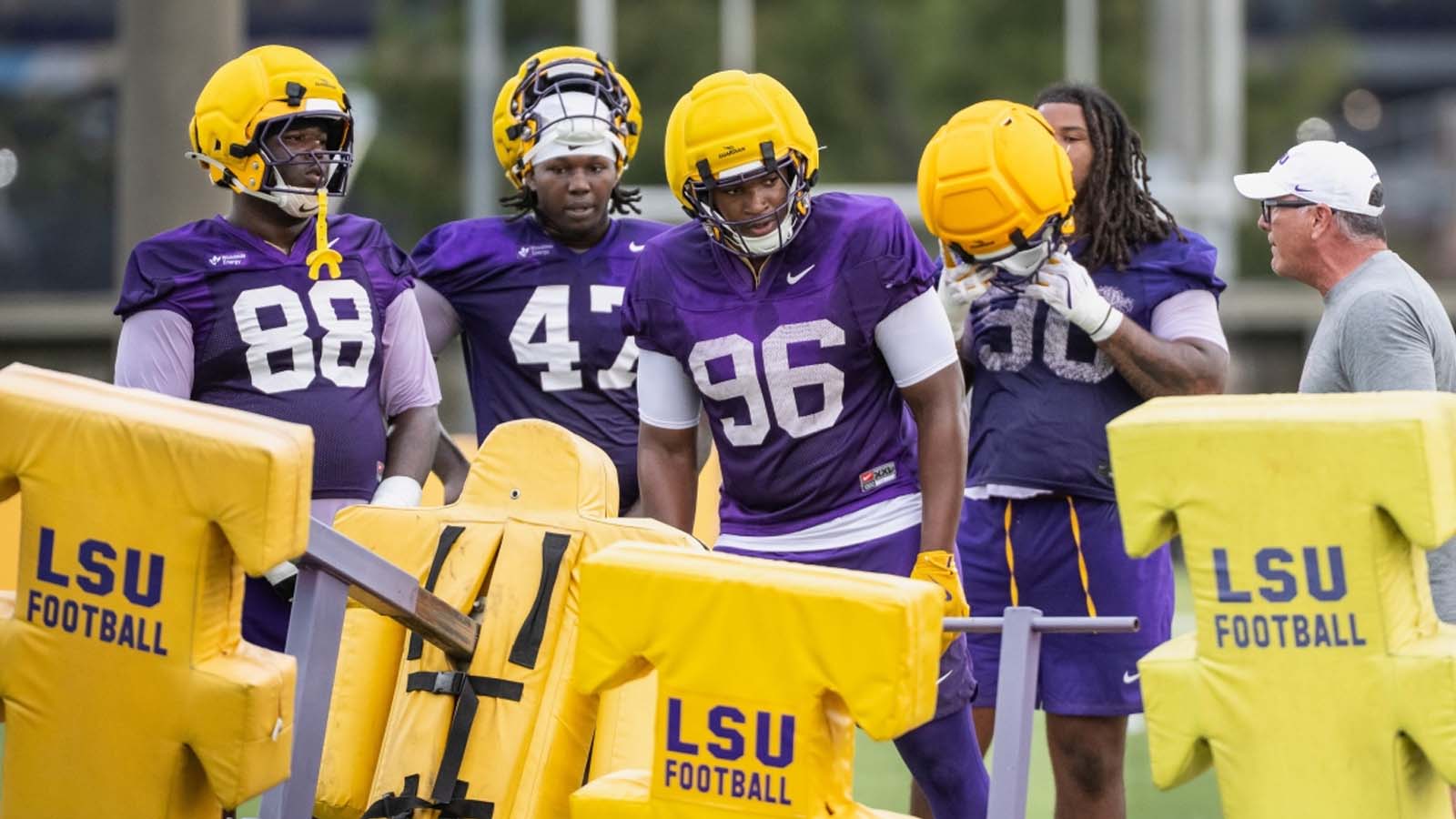
BATON ROUGE, La. – LSU is spending more than $40 million on its 2026 roster, one of just six Power Four programs above that line in a CBS Sports survey of more than 50 industry sources published Monday. The Tigers still sit +2200 at Bovada to win the national championship, a price that implies about a 4.3% chance.
Seven Rosters Clear $40 Million
More than 50 people who set or move roster money answered CBS Sports’ poll, from athletic directors and general managers inside the Power Four to personnel executives, cap experts, agents and boosters.
Seven programs clear the top line: Miami, Ohio State, Oregon, LSU, Texas and Texas A&M from the Power Four, plus independent Notre Dame. Multiple sources called LSU the most expensive roster in the sport, and several projected the final bill could pass $50 million.
The market has already graded most of that group. Ohio State leads the board at +600 at Bovada, with Texas at +775 and Oregon at +800 close behind. The mismatches sit further down, and they are where anyone shopping college football futures should start.
The Board Charges Double For Georgia
Odds are payouts, not probabilities. A +2200 ticket pays $2,200 on a $100 stake and implies about a 4.3% chance; whether LSU’s actual chance beats that number is the entire bet. Georgia, which the survey groups just below the $40 million line with Michigan, Ole Miss, Tennessee and USC, is +900 at Bovada. That price implies 10%, more than double what the board assigns the bigger LSU payroll.
Texas A&M is the other outlier at the top. The Aggies clear $40 million in the survey but sit +2500 at Bovada, an implied 3.8% that is the lowest of any team in the tier. BetOnline shades both SEC spenders shorter, LSU at +1600 and Texas A&M at +2200, and still prices Georgia ahead of them at +850.
- Ohio State: Over $40M | Bovada price +600, Implies: 14.3%
- Texas: Over $40M | Bovada price +775, Implies 11.4%
- Oregon: Over $40M | Bovada price +800, Implies 11.1%
- Miami: Over $40M | Bovada price +1000, Implies 9.1%
- LSU: Over $40M | Bovada price +2200, Implies 4.3%
- Texas A&M: Over $40M | Bovada price +2500, Implies 3.8%
- Georgia: Under $40M | Bovada price +900, Implies 10.0%
- Indiana: Under $40M | Bovada price +1000, Implies 9.1%
- Tennessee: Under $40M | Bovada price +5500, Implies 1.8%
None of this says spending wins games. The tiers measure what programs put in; the prices measure what the market expects to come out. The gap between the two is the story, and it runs widest in Baton Rouge and College Station.
Tennessee Priced With The Field, Indiana With The Favorites
The same survey band produces the board’s widest split. Tennessee spends in the same range as Georgia, per the survey, yet sits +5500 at Bovada and +4000 at BetOnline, implied numbers of 1.8% and 2.4% that price one of the sport’s biggest payrolls with the field.
Indiana runs the other direction. The defending national champion, which opened atop the 2027 national championship odds with Notre Dame and Ohio State in January, does not appear in the survey’s $40 million group. The Hoosiers are +1000 at Bovada and +900 at BetOnline anyway, level with Miami’s $40 million-plus roster. The market pays for a proven roster before a funded one, a pattern that holds across college football props markets as well as futures.
Notre Dame is the case where money and market agree. The Irish clear $40 million in the survey and sit second on the board at +650 at BetOnline and +700 at Bovada.
The payrolls are set until the winter transfer portal reopens. The prices are not. Week 0 kicks off in late August, with the full Week 1 slate over Labor Day weekend, and the board starts repricing on results instead of payrolls.
