
College Football Props: Markets, Odds & Where To Bet Them
College football props cover every market priced on an individual player, team or outcome across the season, from a single-game yardage ladder to the Heisman board, and the current lines on both sit below. Legal access swings hard by state: full player-prop menus in some, a trimmed board in most, nothing through a licensed book in a handful, and sorting out which is which matters more here than it ever does with an NFL prop. What follows runs the live board first, then maps the five market families, then lays out exactly where a given bettor stands.
Top Sportsbooks for College Football Props


Today’s College Football Prop Board
The Heisman race gets first billing on most boards, so it leads here too. Both tables below come straight off Bovada’s board and get refreshed as the market moves, so read the shape of the field as the lasting part and the exact price as whatever it happened to be on the date attached.
Heisman Trophy
Heisman Trophy Winner 2026-27
Updated 1 second agoBoth boards move as the season plays out, camps end and injuries surface, so treat the shape of the race as durable and the exact price as a moment in time. Futures and awards hold that shape for weeks at a stretch, which is why they lead here instead of a single week’s game slate, the kind of market that can turn over entirely between one Saturday and the next.
The College Football Prop Markets, Mapped
Every college football prop falls into one of five families, and each one has its own page going deeper.
Player Props
A player prop asks whether a named athlete clears the number the book sets for him, a passing-yards ladder, a receiving total, a rushing line, a touchdown-scorer market, a completions count. Season-long ladders post before kickoff and run all year, but only a shortlist of players get one at all, the household names at each position rather than a full depth chart. That list runs longest in late August and can thin out fast once the season starts separating contenders from everyone else, a swing an NFL bettor rarely sees on a comparable board. Game-level props, the ones tied to a single Saturday, arrive on a different clock. They start filling in inside a day or two of kickoff and hit their deepest menu on the biggest matchups first, so a marquee game carries far more props than a Tuesday MAC kickoff does. An NFL Sunday can post a player prop on nearly every offensive starter leaguewide; a full Saturday of FBS football posts one on a small fraction of that group, position by position, team by team. Quarterbacks dominate the early list every year, receivers and running backs fill in behind them, and a lineman or a defender almost never gets a stat-based number at all outside a sack or tackle special. College football passing yards props breaks down the ladder structure for the position that carries the deepest board.
Season & Team Props
Not every market rides on one player. A team either reaches the 12-team playoff field or it doesn’t, and that binary gets its own price for every contender still standing, tight for a bubble team and long for one already fading. Regular-season win totals work the same way, an over-under set for a full FBS schedule rather than one game, priced well before the opener and mostly left alone until results start proving the number right or wrong. Neither market needs an individual stat line to settle, and both stay on the board for months, unlike a player ladder that can shrink or vanish inside a single week. College football team props and win totals covers how a book builds a win total and where the value typically sits on it.
Futures & Awards
Three different boards live under this heading. The national championship market prices well past a hundred teams, and the gap between the second-shortest price and the tenth can run razor thin some years and wide open in others. Every one of the ten FBS conferences carries its own title market on top of that, priced separately even for a two-team race that looks decided by October. College football futures walks through how a board this deep gets built and reread as the season narrows it.
Individual hardware sits apart from both. The Heisman gets the spotlight, but the season hands out its own trophy for the top running back too, the Doak Walker, plus the Biletnikoff for the top receiver and the Davey O’Brien for the top quarterback, each priced on a separate board months before a winner gets named. College football award props covers the full slate past the trophy everyone already knows.
Game Props & Totals
A game prop settles inside one matchup instead of a full season. Winning margin asks how many points separate the two teams, not just who wins. The total sets one number for both teams’ points added together, and the book hangs alternate versions of it a few points higher and lower for anyone who wants a different price on the same game. These markets post with the rest of the weekly slate and stay live until kickoff closes the board. Early in the week a slate might carry just the core lines; by kickoff a marquee matchup can carry a full alternate ladder on both margin and total, priced a half-point apart the whole way down. College football game props and totals goes deeper on how a margin price gets built.
Playoff & Bowl Props
The postseason gets a board of its own once the regular season narrows the field. Which teams reach the 12-team bracket, how a specific bowl plays out, where a team’s run ends, all of it prices separately from the weekly game slate above. That board sits mostly empty in August and fills in fast once November settles who’s actually in the field. A given bowl matchup can carry its own MVP market alongside the standard spread and total, priced only once both teams are locked in. College football playoff and bowl props covers the postseason menu as it builds out.
Where You Can Bet College Football Props
Legal access to college football props splits the country into three groups, and knowing which one a given state falls into matters before a single line gets shopped. Ten states let a licensed book post the full menu, in-state teams and in-state players included, no carve-out attached. Twenty-nine keep a legal sportsbook but trim the college board somehow, usually by cutting player props on the home team’s own athletes or banning individual-athlete props outright while leaving team markets alone. Eleven states have no regulated sportsbook of any kind, retail or online, so the question of a college prop ban never even comes up.
Why It Doesn’t Follow The Map
None of that splits along any obvious geographic line, either. A state’s own gaming regulator or legislature decides which column it lands in, and two neighboring states can land in different ones for reasons that have nothing to do with the size of their programs. A conference powerhouse two states over from a full-menu neighbor might still sit in the restricted column, or the reverse, purely on how that state’s own rulemaking happened to shake out.
The Three Tiers At A Glance
| Situation | States | What You Can Bet |
|---|---|---|
| Full player-prop menu | 10 | Every market on the board, home-state teams and players included |
| Restricted menu | 29 | Game lines and futures everywhere; player props cut somewhere, usually on in-state teams or banned statewide |
| No regulated sportsbook | 11 | Nothing through a licensed book; tribal retail and offshore sites are what’s left |
None of these categories stay fixed for long. A handful of legislatures have live bills that would move a state from one column to another, and at least one commission has a vote pending this fall on whether to keep props on the board at all. Texas college football props shows exactly what that no-sportsbook column looks like on the ground, tribal properties included.
The Restrictions That Surprise People
College player-prop bans and in-state-team bans catch bettors off guard more than any other rule on the books.
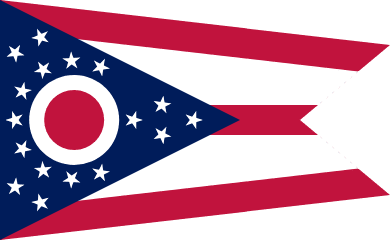
Ohio: Every College Player Prop, Pulled
Ohio is the cleanest example of the first. Its gaming regulator pulled every individual college-athlete prop bet statewide in March 2024, at the NCAA’s request after a harassment incident tied to a player prop, and none of it has come back since, even though Ohio’s licensed books still take a full slate of college game lines, spreads and moneylines included.

New Jersey: Nothing On In-State Teams
New Jersey shows the second pattern just as plainly. Its sportsbooks run some of the country’s deepest college menus, yet a bettor there can’t touch a single market tied to a New Jersey college team, game, futures or props, anywhere that team plays, while a prop on a Michigan-Ohio State game sits right next to that blank spot on the same app. A separate bill that would ban player-specific college props there entirely advanced through a state Senate committee in 2026 but hasn’t become law, so today’s carve-out stands as written.
Neither rule announces itself on a sportsbook’s homepage, and both tend to surface well after signup, once a bettor is already deep into building a ticket. Checking a state’s own carve-outs before shopping for a Saturday parlay beats finding out mid-slip that a favorite hometown player never made the board to begin with.
How Prop Odds Work
What A Price Actually Costs You
A prop price works the same way any sportsbook price does. It states a cost in dollars, never a forecast of what’s likely to happen. Take a passing-yards ladder from late August: Notre Dame’s CJ Carr carried a full-season 2,750-plus line priced at -190, with the under sitting close to even money on the other side. Betting the over on that number costs $190 to win $100, for a $290 return if Carr clears it and a $190 loss if he doesn’t. A plus-money side works the other direction. A hundred dollars on a +180 touchdown-scorer prop returns $180 in profit if it hits, nothing back if it doesn’t. Both sides of a two-way ladder carry a built-in cut for the book, the same juice that pads a standard spread, so the over and the under rarely price out as an even split even when the matchup looks close to a coin flip.
Why A Price Moves
That price isn’t fixed for the life of the market. A depth-chart change, an injury report, or a wave of money on one side of the ladder all move it, sometimes by a lot on a market this thin, and a price that looked generous on Tuesday can close a full point tighter by Saturday. A roster move two days before kickoff can do the same thing overnight, tightening a line that sat untouched for a week the moment a starter’s status changes. None of that changes what the price is buying, a specific dollar payout attached to a specific outcome, never a stated chance of it happening. College football prop picks applies that math to a full week’s board instead of one line at a time, weighing which prices still carry value once the roster news and the week’s action have settled.
Betting Props From a State Without Sportsbooks
Not every state gets that option. A reader in one of the eleven states with no regulated sportsbook still has a way to reach this board, just not through a state-licensed app. Bovada carries the same market families covered above, season ladders, game props, futures and the full awards board, all of it reachable from a phone the same way a licensed app would work if the state had one. None of that menu gets trimmed by a state line either, so the board reachable from Idaho looks the same as the one reachable from Georgia.

Bovada is the book this page keeps returning to, and the reason is coverage rather than promotion. It prices the same five market families mapped above, and it prices them the same way regardless of which state the bettor opens it from. In one of the eleven states with no regulated sportsbook, that is the difference between a full prop board and no board at all.
- All five market familiesSeason ladders, game props, futures and the full awards board on one menu.
- No state trimThe board reachable from Idaho is the board reachable from Georgia.
- Phone-first accessThe same reach a licensed app would give, in states that do not have one.
What You Give Up Going Offshore
Opening an account there means the state agency that would normally referee a bad grade or a stuck payout isn’t part of the picture at all, since Bovada’s terms run under licensing out of the Union of the Comoros rather than any American gaming board. That’s the trade being made, coverage a home state doesn’t offer against the backstop a licensed book would carry. It’s a decision worth making with eyes open, ideally before a deposit goes in. Bovada’s college football props review covers what its board actually carries and what its terms say about getting paid.
This Week In College Football Props
The news desk covers line moves and market changes daily through the season, with the latest sitting just below.
Latest Prop Coverage
College Football Props FAQ
Can college football props be combined into a parlay?
Yes, most sportsbooks let a bettor stack multiple props from the same game or across different games into one ticket. The math multiplies instead of adds, so the payout grows fast, but every leg has to hit, and one miss anywhere on the ticket sinks the whole thing. A same-game version, stacking two or three props from one matchup, often prices higher than spreading those same picks across separate games would, since the book has to account for how closely those outcomes can move together inside the same 60 minutes.
What happens to a prop if the named player never takes the field?
A book grades that leg no action and refunds the stake. This is standard treatment across the industry. The protection only covers the player named on the ticket, so a parlay with other legs still standing keeps working through the rest of the bet, with just the voided leg dropped and the payout recalculated on what’s left.
What happens to a college football prop if the game gets postponed or canceled?
The same rule that applies to any other sportsbook wager applies here. A postponed game carries every open bet forward to the new date, and a canceled one gets refunded in full, stake and all, no different from a spread or total on the same slate. That treatment holds whatever caused the change, weather, a scheduling conflict, or something on the health and safety side.
Is a college football prop riskier than a similar NFL prop?
The thinner list of covered players is the honest answer to lean on. An NFL prop board runs dozens of players deep most weeks, while a college board might carry only the household names at a given position, so a bettor loses the option to shop a lesser-known player’s number the way an NFL bettor can. That’s a market-depth risk, not a sign the college number itself is priced worse. A star quarterback’s line still gets built with the same care either way, the gap shows up mainly in how many names past the headliners get a price at all.
Do sportsbooks run novelty college football props, like a coin toss or the length of the national anthem?
Occasionally, and almost always on the biggest games of the year, a Playoff semifinal, the title game, a marquee bowl. A regular-season MAC game won’t carry a Gatorade-color market. The championship round usually does, and those markets tend to surface in the final days before kickoff, well after the passing-yards ladder and the rest of the core board are already posted.
Do college football prop markets ever disappear from the board completely?
Regularly, especially early in the season. A book pulls a market when the uncertainty behind it runs too high, a shaky quarterback battle or an unsettled depth chart, and reposts it once the picture clears. A ladder that ran twenty names deep in August can shrink to a handful within days, then rebuild as the season settles in. Checking the board fresh before locking in a bet beats trusting a screenshot from even a few days earlier.
The Short Version
- A college football prop prices one player, one team or one outcome, separate from the standard spread and total.
- The board splits into five families: player props, season and team props, futures and awards, game props, and the postseason menu.
- Legal access runs in three tiers by state, a full menu, a trimmed menu, or no regulated sportsbook at all, and the gap between them is bigger than most bettors expect.
- A prop price is a dollar cost, not a percentage, and it moves on injury news, depth-chart shifts and where the money lands.
- A reader with no in-state sportsbook still reaches the same board through an offshore book, minus the regulatory backstop a licensed app carries.
The board above works the same way whether the nearest sportsbook is a phone tap away or across a state line entirely, priced the same and worth the same homework either way.